The landscape for cannabis-based medicines in the UK has evolved significantly over the past few years, but confusion remains widespread—especially regarding terms like “Class vs Schedule,” the implications of the November 2018 changes, and the real meaning behind “licensed medicines” and “marketing authorisation.” This article breaks down what marketing authorisation means tntmagazine.com for cannabis medicines in the UK, explains why cannabis remains illegal under older laws, and explores why NHS access remains limited—and specialist-only.
Along the way, we’ll naturally mention Nationwide Pharmacies, one of the key players in this specialised market, to provide clarity around how licensed cannabis medicines are supplied and regulated.
Understanding the Basics: Class vs Schedule in UK Cannabis Law
A common source of confusion arises from mixing up the terms “Class” and “Schedule” when discussing cannabis regulation in the UK. Both are legal terms, but they mean very different things.
Class: The Misunderstood Drug Classification
The Class system (Class A, B, and C) comes from the Misuse of Drugs Act 1971 (often abbreviated to “MDA 1971”). This Act places controlled substances into Classes based on what Parliament decides is their relative harm and risk.
- Cannabis is a Class B drug. This means possession, cultivation, or supply without licence is illegal and subject to criminal penalties. Class B is the middle category, with Class A drugs considered most harmful (like heroin and cocaine) and Class C less so.
Class status affects police powers and penalties but doesn’t directly govern medical use or pharmacy licensing.
Schedule: Regulating Medical Use
Schedules are part of the Misuse of Drugs Regulations 2001 ("MDR 2001") and dictate how controlled drugs can be prescribed, administered, stored, and supplied.

- Cannabis-based medicines can be placed in Schedule 1, 2, 3, or 4 depending on medical utility and risk. Schedule 2 drugs, including some cannabis-derived medicines, can be prescribed by certain specialist doctors under strict conditions. Normally, cannabis as a whole plant is Schedule 1, meaning “no recognised medical use” and tightly controlled research only.
In short, Class matters for criminal law, while Schedule controls clinical and pharmaceutical use.
The November 2018 Change: What Actually Happened?
On 1 November 2018, the UK government rescheduled cannabis-based products for medicinal use (CBPMs). This was a landmark shift but often misreported as “legalising cannabis.”
- Why November 2018 matters: It enabled specialist doctors in the UK to prescribe cannabis medicines legally on the NHS or privately. What did not change: Cannabis remains Class B under the 1971 Act—that means recreational use or possession without a licence is still illegal. The impact on access: Access requires specialist prescribing because CBPMs are mostly Schedule 2 or 4 drugs needing strict controls. Limited routine NHS prescribing: The National Health Service (NHS) remains cautious with CBPMs due to evidence gaps and cost-benefit concerns.
This means you cannot go to a general practitioner (GP) and get a cannabis medicine on the NHS. The access pathway is specialist-only, usually through neurologists or pain specialists.
Marketing Authorisation and Licensed Medicines: What Do They Mean?
One of the most significant hurdles faced by cannabis medicines in the UK is marketing authorisation. But what exactly is marketing authorisation, and why does it matter?
Marketing Authorisation Explained
Marketing authorisation is the official approval granted by the UK’s medicines regulator—the Medicines and Healthcare products Regulatory Agency (MHRA)—which permits a company to market a pharmaceutical product in the UK.
- To receive marketing authorisation, a medicine must meet stringent criteria around safety, quality, and efficacy based on clinical trial data. It means the product can be prescribed routinely, and pharmacies can dispense it according to its approved indication. Marketing authorisation is sometimes called a “licence” or “licensed medicine,” but this should not be confused with “legalisation” of a drug.
Licensed vs Unlicensed Cannabis Medicines
Currently, very few cannabis medicines in the UK have marketing authorisation.
- Licensed CBPMs are products like Epidyolex (cannabidiol) for epilepsy, which have been approved with MHRA marketing authorisation and Drug Tariff listings for NHS prescribing. Most cannabis medicines prescribed so far are “unlicensed specials” imported or made under strict controls but without formal marketing authorisation. This makes NHS prescribing rare and private prescriptions more common. Nationwide Pharmacies, for example, specialises in providing both licensed and unlicensed cannabis-based medicines to private patients and a small number of NHS-approved cases.
Licensed products have the advantage of regulated quality and clearer prescribing pathways. Unlicensed medicines require more clinical oversight and legal safeguards.
Why Does Cannabis Remain Illegal Under the 1971 Misuse of Drugs Act?
Despite the progress in medical prescribing, cannabis itself remains a Class B drug under the Misuse of Drugs Act 1971. Why?
- The 1971 Act was designed primarily to control recreational drugs and criminalise possession and supply without licences. Parliament has not altered the Act to reclassify cannabis for general legal use, so possession and supply outside medical prescriptions remain illegal. The 2018 rescheduling affected only medicinal cannabis products, allowing prescribed use under strict conditions—not personal or recreational consumption.
Therefore, the two legal regimes operate side by side: cannabis medicine is permitted only if authorised and with specialist prescribing; cannabis use outside this remains a criminal offence.
Specialist-Only Prescribing and Limited NHS Access
One of the major barriers to widespread cannabis medicine access in the UK is the requirement that only certain specialists can prescribe these products.
Why only specialists?
- The classification of cannabis medicines mostly within Schedule 2 or 4 means prescribing is confined to specialists with requisite training and licensing. This ensures clinical oversight, given the complex dosing regimes and potential risks associated with CBPMs. It also reflects the current state of evidence, which still lacks widespread consensus on most cannabis products and their uses.
Why is NHS access so limited?
- The NHS adopts a cautious stance, partly due to the lack of large-scale, robust clinical trial data backing many cannabis products. Cost considerations and alternative therapies with better-established profiles influence prescribing decisions. Hence, many patients turn to private prescriptions for cannabis medicines, with providers such as Nationwide Pharmacies facilitating access to products that may not yet be routinely funded on the NHS.
This restricts most patients to a niche market of private prescribing or specialist recommendations for hard-to-treat cases.
Summary Table: Key Terms and Their Meaning for Cannabis Medicines in the UK
Term Meaning Impact on Cannabis Medicines Class (Misuse of Drugs Act 1971) Categories A/B/C indicating drug harm and criminal penalties Cannabis is Class B: illegal for recreational use; medical use requires licence Schedule (Misuse of Drugs Regulations 2001) Controls medical prescribing, possession, and supply protocols CBPMs are mostly Schedule 2 or 4; require specialist prescribing Marketing Authorisation (MHRA) Official medicine regulator approval to market a licensed medicine Enables licensed cannabis medicines to be prescribed routinely Licensed Medicine Medicine with marketing authorisation and regulated quality Example: Epidyolex, prescribed for certain epilepsies Unlicensed Specials Medicines used without formal marketing authorisation under special regulations Common for many cannabis medicines; limited NHS coverage, private prescribingConclusion: What Marketing Authorisation Means for UK Cannabis Medicines
Marketing authorisation in the UK means that a cannabis medicine has passed rigorous regulatory hurdles to be recognised as a licensed, approved medicine. This facilitates routine clinical use and NHS prescribing under clear guidance. However, only a handful of cannabis products currently have marketing authorisation, meaning the majority remain “unlicensed specials” supplied under tightly controlled conditions.
Cannabis remains a Class B drug under the 1971 Misuse of Drugs Act, so medicinal use is a carefully regulated exemption rather than a full legalisation. NHS access is limited by specialist-only prescribing rules and cautious adoption driven by evidence and cost concerns.
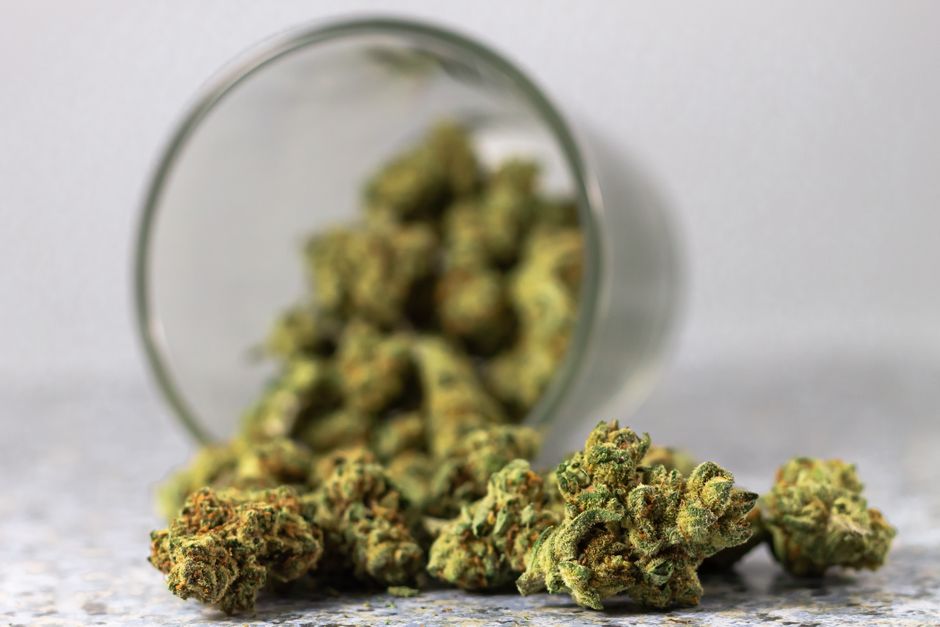
Pharmacies like Nationwide Pharmacies play an important role in supplying both licensed and unlicensed cannabis medicines to patients navigating this complex system.
Key takeaway: UK marketing authorisation marks a medicine as officially approved and licensed, but cannabis medicines exist within multiple legal frameworks that restrict access and prescribing to specialists, keeping routine NHS availability limited.
```