In consumer fraud litigation, marketing materials are often a linchpin piece of evidence. When a company’s advertisements, brochures, websites, or promotional emails promise certain benefits or features that turn out to be false or misleading, these materials help attorneys uncover and prove deception.
This article explores how consumer fraud lawyers use marketing materials as evidence, highlighting common fraud patterns, the legal frameworks involved, and practical tools available to litigators. You’ll also find references to leading voices fair debt collection practices help and resources in the legal community such as Lawyer Monthly, media industry experts at Universal Media, and training options through OsgoodePD for legal professionals seeking deeper understanding of consumer protection topics.
Understanding What Counts as Consumer Fraud
Consumer fraud broadly refers to wrongful or deceptive business practices that mislead consumers and cause financial harm. It covers a vast array of actions, including false advertising, misrepresentation, bait-and-switch tactics, and hidden fees. What unites these practices is the element of deception intended to induce purchases under false pretences.. Exactly.
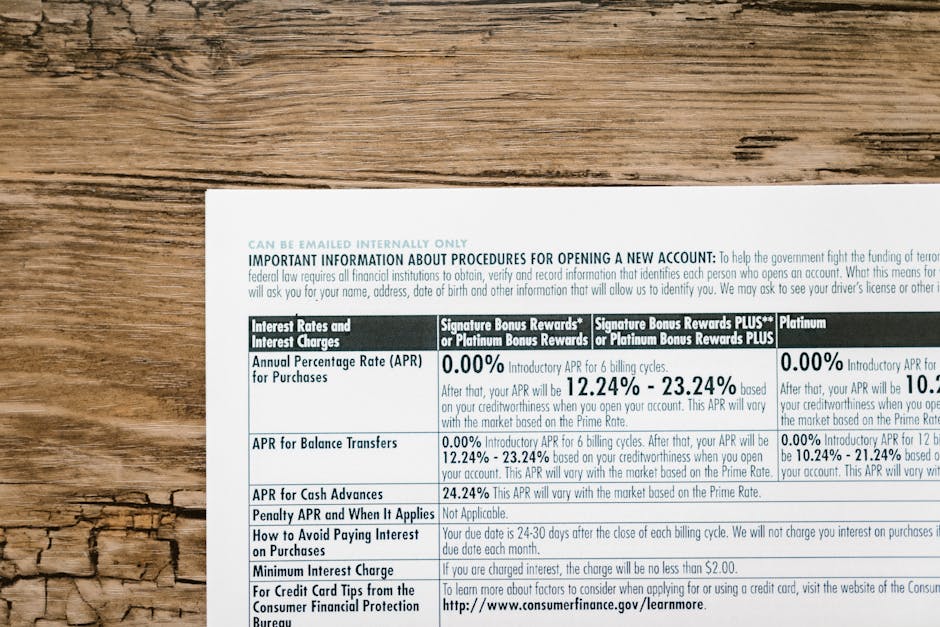
Key Characteristics of Consumer Fraud
- Misleading or false representation: Factual promises or claims made in marketing materials that aren’t true. Intent to deceive: The business knowingly advertises inaccurately to exploit consumer trust. Reliance: The consumer reasonably relies on the advertising claims when deciding to buy or engage. Resulting harm: The consumer suffers a financial or personal loss because the product/service did not meet advertised promises.
For example, a company promoting a “100% guaranteed weight loss” supplement without scientific backing tends to be flagged for consumer fraud. The marketing materials advertising this guarantee — from website screenshots to printed flyers — become critical evidence in demonstrating what was promised versus what was actually delivered.
Common Scam and Deception Patterns in Marketing Materials
Fraudulent marketing often employs recurring schemes designed to lure and manipulate consumers. Here are typical patterns lawyers identify and challenge:

ScamInfo.ai is a valuable tool both for consumers and lawyers, as it helps identify suspicious marketing claims and patterns by analysing data and public feedback. Similarly, the official Federal Trade Commission portal at ReportFraud.ftc.gov encourages reporting deceptive advertisements and provides insight into ongoing fraud trends.
What Does a Consumer Fraud Lawyer Do Day-to-Day?
Consumer fraud lawyers specialise in protecting consumers against deceptive business practices. Their day-to-day activities encompass a range of tasks focused on investigation, advising clients, and litigation:
- Reviewing Marketing Materials: Collecting and analysing advertising screenshots, emails, social media posts, and other promotional evidence showing what was promised. Interviewing Clients and Witnesses: Establishing how the client relied on specific advertising claims and the resulting harm experienced. Legal Research: Examining state and federal consumer protection laws to determine grounds for claims and potential class actions. Drafting Complaints and Motions: Preparing legal documents that outline the fraud allegations backed by marketing materials and evidence. Negotiations and Settlements: Engaging with defendants or regulators to seek redress for harmed consumers. Continuous Monitoring: Keeping abreast of evolving scam tactics and regulatory developments via resources such as Universal Media and specialist legal publications like Lawyer Monthly.
Many consumer fraud lawyers enhance their expertise through professional development programs like those offered by OsgoodePD, where they can access advanced training on regulatory compliance, digital advertising law, and complex class action litigation.
Federal vs State Consumer Protection Laws
Consumer fraud claims are governed by a mix of federal statutes and state laws, both of which lawyers must navigate carefully.
Federal Consumer Protection Laws
The primary federal statutes include the Federal Trade Commission Act (FTC Act), which prohibits unfair or deceptive acts, and the Truth in Advertising rules enforced by the FTC. These laws provide broad authority to regulate advertising claims, impose penalties, and order corrective actions.
State Consumer Protection Laws
https://dlf-ne.org/if-i-lose-the-case-do-i-owe-my-consumer-fraud-lawyer-anything/Every state has its own consumer protection statutes, often referred to as “little FTC Acts.” For example, California’s Consumer Legal Remedies Act and New York’s General Business Law § 349 empower state attorneys general and private consumers to pursue fraud claims. These laws vary by state but frequently allow for class actions, statutory damages, and injunctive relief.
Consumer fraud lawyers strategically decide whether to bring claims under federal law, state law, or both, depending on the facts of the case and the remedies sought. Marketing materials evidence—specifically what was promised in advertising screenshots—is central to proving key elements such as misrepresentation and consumer reliance, regardless of jurisdiction.
Why Marketing Materials Evidence Is So Powerful
Want to know something interesting? when preparing a fraud case, lawyers must prove what the defendant said or implied to consumers. Advertising screenshots, copies of emails, recorded sales presentations, and even web archive captures serve as documentary proof of the exact claims made.
Type of Marketing Material How It Supports Fraud Claims Example Advertising Screenshots Show the precise language and images used to attract consumers, establishing “what was promised”. A screenshot of a website claiming “money back guarantee” when no refunds were given. Emails & Promotional Letters Demonstrate direct communication with consumers containing deceptive statements or undisclosed terms. Marketing email advertising a “free trial” but requiring automatic billing with no clear opt-out. Printed Brochures & Flyers Physical proof often corroborating online ads, valuable for in-person transactions. Flyer advertising a product discount that was never honoured in store. Recorded Sales Scripts or Calls Reveal verbal promises or pressure tactics supporting claims of misrepresentation. Call recording in which a sales rep guarantees results or conceals fees.By accumulating and organising such materials, lawyers can construct a compelling narrative of deception, showing discrepancies between marketing promises and actual product or service delivery. This evidence helps courts and regulatory agencies assess the credibility of defendants’ claims and assign liability.
Conclusion
Marketing materials evidence is fundamental in consumer fraud cases. From advertising screenshots to promotional emails, these materials reveal exactly “what was promised” to consumers and form the core proof needed to demonstrate deception. Understanding common scam patterns, the interplay of federal and state laws, and the practical role of consumer fraud lawyers sheds light on how these complex cases are litigated.
Legal professionals aiming to deepen their knowledge can look to industry thought leaders like Lawyer Monthly and mediators such as Universal Media, while enhancing their skills with specialised courses at OsgoodePD.
Additionally, the availability of advanced investigative tools like ScamInfo.ai and the consumer-reporting hub at ReportFraud.ftc.gov help lawyers stay ahead in identifying fraudulent marketing schemes and enforcing consumer rights effectively.
```